Your Data. Your Advantage - Leading Data Management Company
Zylo is an ISO 27001-certified data management company in Bangladesh that breaks down data barriers, integrates systems, and transforms fragmented data into a decisive advantage.
Talk With Us
Our Technical Partners
Building a Scalable, Data-Driven Future
Navigating your journey from raw information to strategic business intelligence.
Unified Enterprise Integration
Zylo removes legacy silos by deploying connected enterprise platforms designed for end-to-end visibility. Using Odoo ERP as a core foundation, we integrate finance, sales, operations, and manufacturing into a single enterprise data environment.
Intelligent Predictive Insights
We help organizations move beyond static reports toward forward-looking analysis. By applying AI-driven analytics and Zylo's proprietary product Pulse, our AI data solution transforms complex datasets into clear strategic signals.
Sustainable Data Scaling
Our architectures are engineered for growth, accommodating massive volumes through robust engineering. We ensure your data platform remains resilient, supporting long-term expansion via advanced Big Data governance and secure ETL pipelines.
Our Services
Connecting operational data with executive decision-making.
Designing data governance models and solution architectures that protect and expand your organizational information value.
Structuring and analyzing multi-source datasets to deliver clear, visual insights that support evidence-based decisions.
Implementing interactive Power BI dashboards with incremental ETL pipelines for real-time executive monitoring and reporting.
Building scalable enterprise data environments using Cloudera and Databricks to manage high-volume, high-velocity datasets.
Developing customized ERP systems aligned with your business logic, operational controls, and budget parameters.
How Our Data Management Company Works
We evaluate your current data maturity and define specific business targets.
Our consultants identify bottlenecks and align on a strategic roadmap for feasibility.
We architect custom technical logic and scalable infrastructures tailored to your budget.
Our engineers execute the “Go-Live” phase to ensure a seamless, secure transition.
We provide comprehensive team training and handovers for long-term success.
Our Products
Odoo
Dream Apps ERP
Oracle
SAP
Office 365
Odoo
Dream Apps ERP
Oracle
SAP
Office 365
Odoo
Dream Apps ERP
Oracle
SAP
Office 365
Odoo
Dream Apps ERP
Oracle
SAP
Office 365
Why Work with Zylo?
Industry Expertise
Dedicated Team
Proven Results
Data Security
24/7 Support
Scalable Solutions
Our Portfolio
Explore our successful projects and client transformations
Microsoft Cloud
Cloud Migration Project
Data Analytics
Digital Transformation
Odoo ERP
ERP Implementation
Odoo ERP
ERP Implementation
Industries Benefiting from Data Management Solutions

Retail
Zylo streamlines retail operations by integrating branch-level sales data and deploying Odoo for inventory control. By aligning stock levels with real-time demand, we help reduce excess inventory and operational waste.
- Real-time inventory tracking
- Sales trend visualization
- Customer behavior analytics
- Automated procurement workflows
- Multi-channel data integration
Manufacturing
We improve production efficiency using IoT-enabled monitoring and predictive maintenance models. These solutions maintain near-continuous uptime while lowering repair costs through early issue detection.
- Predictive equipment maintenance
- Production line monitoring
- Supply chain optimization
- Quality control automation
- Resource allocation forecasting
Real Estate
Custom ERP modules support the full property lifecycle, from lead capture to lease management. Zylo improves revenue realization by automating billing and tracking asset utilization across portfolios.
- Property portfolio management
- Lead tracking and CRM
- Automated billing and leasing
- Maintenance request tracking
- Project milestone monitoring
Healthcare
Zylo enables secure, compliant data handling through ISO-certified architectures. Our database management company’s expertise supports better clinical outcomes by optimizing patient flow and staff allocation.
- Patient record management
- Resource and staff scheduling
- Billing and insurance integration
- Diagnostic data visualization
- Secure data governance
Logistics
Fleet operations are optimized using real-time tracking and route analytics. Our solutions reduce fuel consumption and delivery delays through predictive maintenance and asset visibility.
- Real-time fleet tracking
- Fuel efficiency monitoring
- Route optimization analytics
- Warehouse asset tracking
- Predictive delivery forecasting
Telecommunications
Zylo manages large-scale datasets using Cloudera-based Big Data platforms. By integrating Mozark for IP traffic monitoring, we improve network stability and reduce churn.
- Large-scale data engineering
- Network anomaly detection
- Customer churn prediction
- IP traffic monitoring
- Real-time billing analytics
Fintech
Secure data environments support transaction processing and fraud detection through AI-driven insights. Sub-second query performance enhances user experience monitoring via Mozark.
- Instant fraud detection
- Transaction trend analysis
- Regulatory compliance auditing
- User experience monitoring
- Personalized financial insights
Food & Beverage
Supply chains are optimized through automated inventory alerts and demand forecasting. Integrated Odoo modules track perishables from sourcing to sale.
- Perishable inventory tracking
- Supply chain transparency
- Sales performance reporting
- Automated order management
- Operational cost analysis
Banking
Zylo delivers Big Data architectures capable of securely handling decades of financial records. Structured historical data improves compliance and institutional risk profiling.
- End-to-end data security
- Historical record structuring
- Customer risk profiling
- Automated financial reporting
- Branch performance metrics
Hospitality
Guest-facing and operational systems are unified into a single Odoo dashboard. This integration improves occupancy, controls costs, and tracks revenue in real time.
- Integrated booking systems
- Guest preference tracking
- Facility energy management
- Inventory and waste reduction
- Real-time revenue tracking
Resolving Critical Hurdles as a Data Solution Company
Many organizations still rely on paper files or inconsistent spreadsheets. Zylo applies OCR technology to digitize and structure historical records. This creates a dependable foundation for modern analytics while allowing legacy data to contribute to current planning and growth.
Separate tools for HR, finance, and sales create inefficiencies. Zylo implements Odoo ERP as a centralized operational core, enabling seamless data flow and eliminating redundant manual processes.
Historical reports explain the past but offer limited foresight. Using Python-based Databricks models, we deliver predictive forecasting that supports proactive planning and risk mitigation.
System issues often impact users before they are detected internally. Through Mozark, Zylo monitors application performance at the infrastructure level, identifying network and device issues in real time.
Executives need fast answers, not layered dashboards. Pulse allows leaders to request reports in plain language and receive instant, customized insights that support rapid decision-making.

What Our Clients Say
“The Odoo ERP implementation was
flawless. Zylo understood our complex
healthcare workflows and delivered a
solution that improved our efficiency by 45%.
Highly recommend their services to any
healthcare organization.”
Michael Chen
Director of Operations, MediCare Plus Healthcare
Healthcare
“Working with Zylo on our business
intelligence platform was a game-changer.
The insights we now have into customer
behavior have directly increased our revenue
by 30%. Outstanding work!”
Emily Rodriguez
VP of Analytics, RetailMax
Retail
“Zylo’s big data solutions revolutionized our
production processes. Real-time monitoring
and predictive maintenance have reduced
our downtime by 60%. The ROI has been
phenomenal.”
David Thompson
CEO, Manufacturing Solutions Ltd
Manufacturing
“Zylo’s big data solutions revolutionized our
production processes. Real-time monitoring
and predictive maintenance have reduced
our downtime by 60%. The ROI has been
phenomenal.”
David Thompson
CEO, Manufacturing Solutions Ltd
Manufacturing
“Zylo’s big data solutions revolutionized our
production processes. Real-time monitoring
and predictive maintenance have reduced
our downtime by 60%. The ROI has been
phenomenal.”
David Thompson
CEO, Manufacturing Solutions Ltd
Manufacturing
Frequently Asked Questions
The Odoo license is highly affordable at $10.90 per user/month. However, Zylo manages essential investments beyond the license, including back-end code customisation, GitHub access, and secure hosting on Odoo.sh or on-premises servers, to fit your specific budget.
Power BI and Microsoft Fabric provide incremental, real-time visualization that remains “always on” in your dashboard. Pulse is an on-demand tool that allows management to generate instant reports by typing plain English prompts, similar to interacting with ChatGPT.
While not mandatory, an ERP system is highly recommended. It serves as a centralized data store, making it significantly easier for BI tools to fetch, structure, and update data automatically, ensuring your dashboards reflect the most current operational reality.
We provide 30 days of free support after every deployment to ensure your team is confident and the system is stable. For long-term security, we offer Annual Maintenance Contracts (AMC) and flexible hourly support models tailored to your needs.
We use advanced Optical Character Recognition (OCR) technology to convert scanned paper documents, PDFs, and handwritten notes into digital, machine-readable data. This allows traditional businesses to analyze decades of legacy information alongside their modern digital data.
Yes. As a comprehensive technology partner, we provide Microsoft 365 licensing—including Windows, Office 365, and Power BI—along with full deployment, configuration, and ongoing technical support for your enterprise environment.
Yes. For organizations with decades of high-volume data, such as Telcos or Banks, we use unified platforms like Cloudera and Databricks. These tools provide the massive processing power required for data engineering and advanced analytics that standard BI tools cannot.
It reflects our commitment to building solutions that fit current financial capacity while remaining scalable for future growth.
Zylo integrates ERP platforms, Big Data engineering, and AI-driven analytics to support informed, outcome-driven decision-making across the enterprise.

Still Have Questions?
Our team is here to help. Contact us for a personalized consultation.
Latest Insights
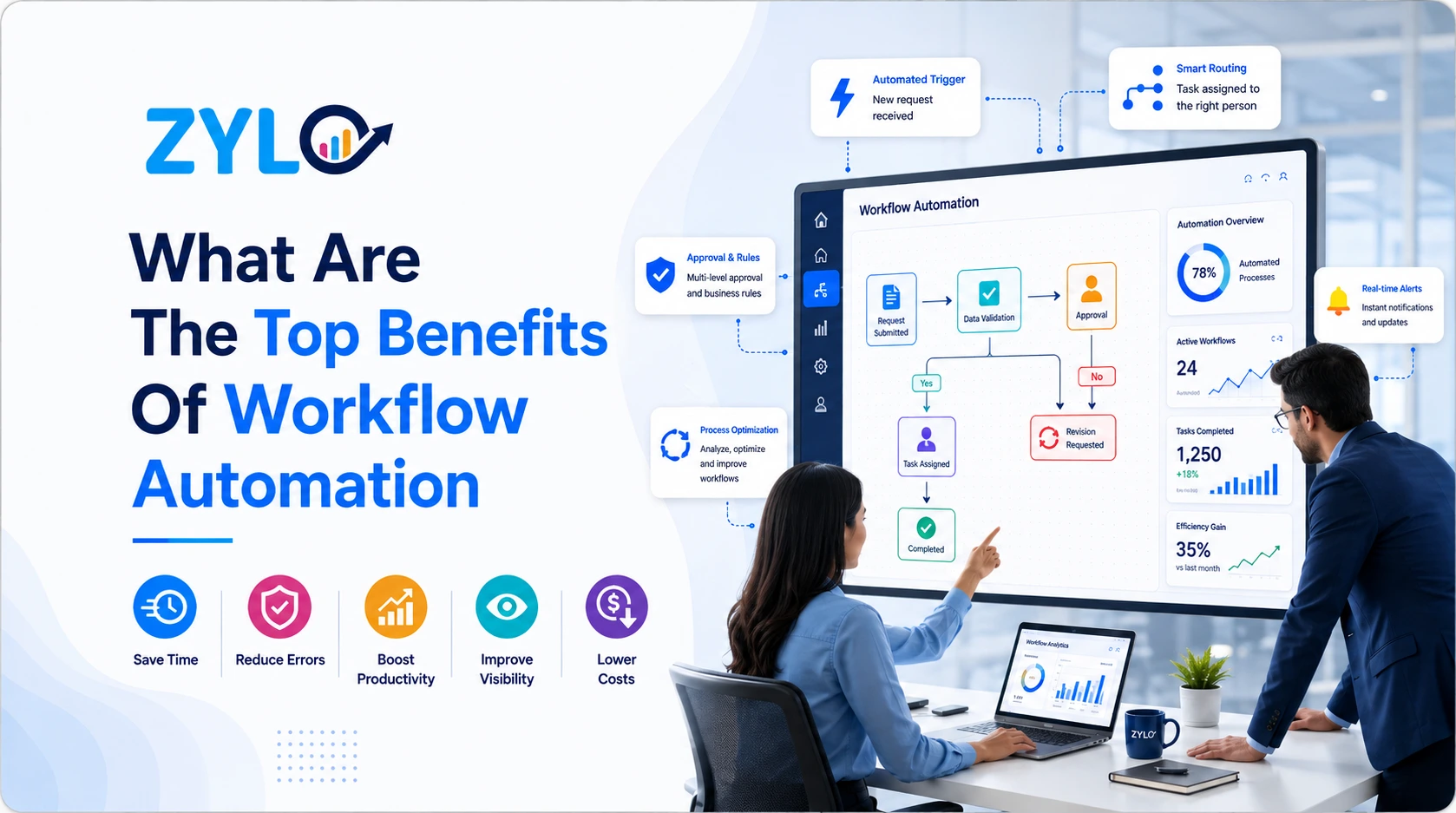
The benefits of workflow automation become clear when you look at how much business time disappears into small repetitive tasks. Employees copy information between systems, wait for approvals, send reminders, update spreadsheets, create reports, and move requests from one person to another. None of these tasks may seem large alone.
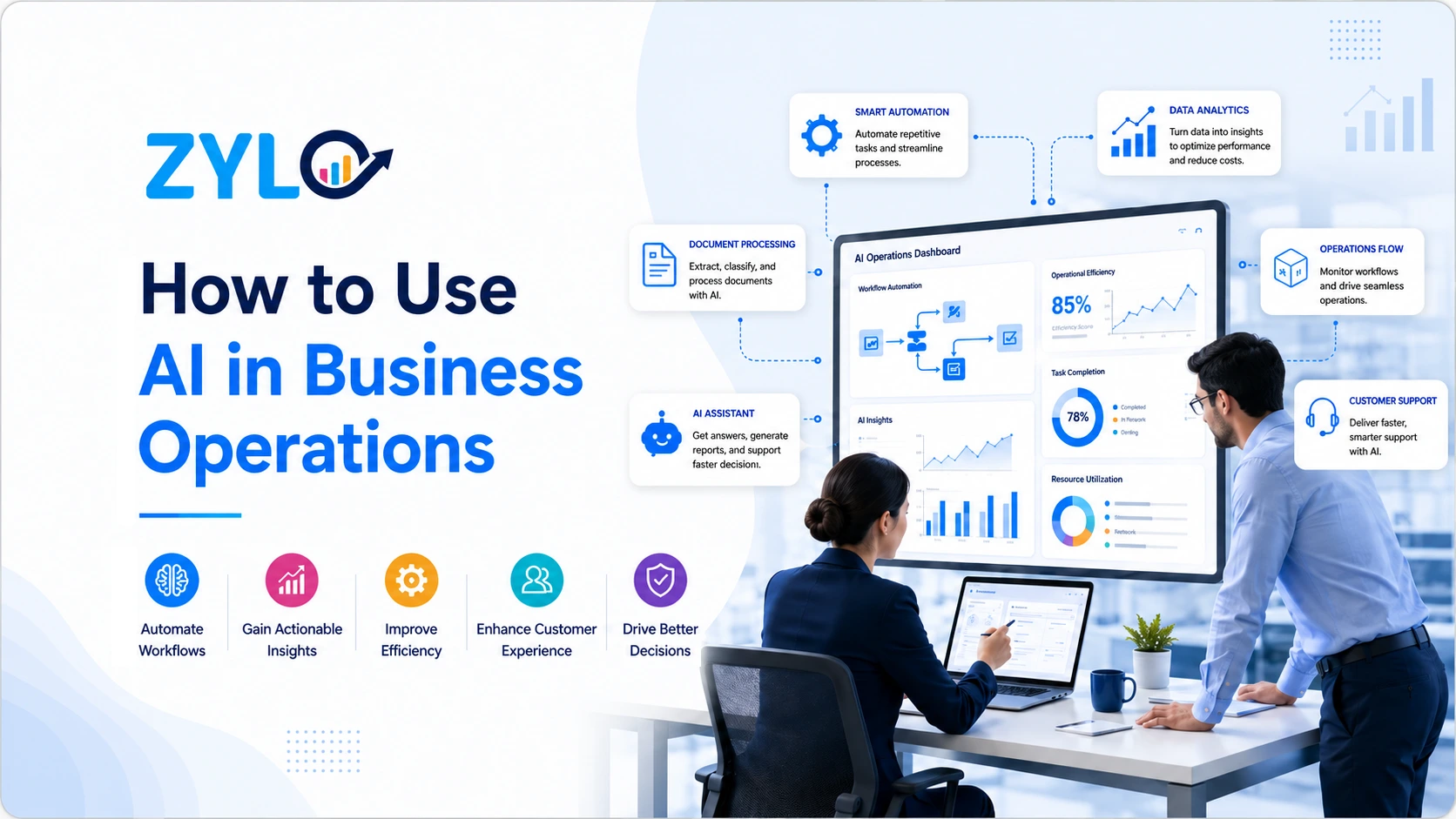
Running a business today means competing against companies that process data faster, respond to customers quicker, and forecast demand with more precision than ever before. Therefore, learning how to use AI in business operations effectively is now vital for ensuring success. With 94% of leaders citing AI as critical to
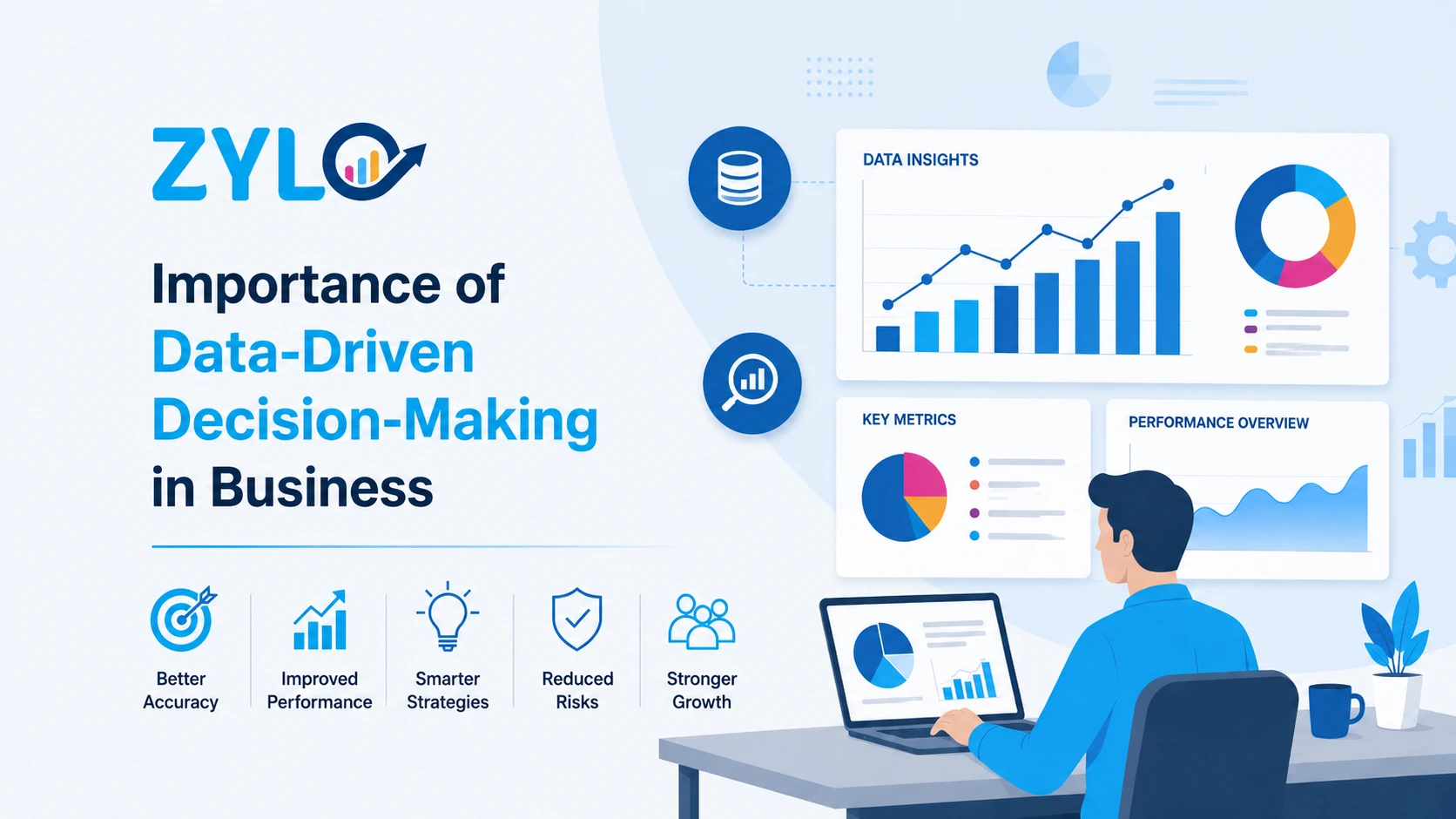
Every business owner makes important decisions every week. Hiring. Pricing. Inventory. Sales targets. Marketing spend. New locations. Technology investments. Many of those decisions are still based on experience, assumptions, or what worked last year. That approach can work in a stable market. It becomes risky when customer expectations, supply chains,
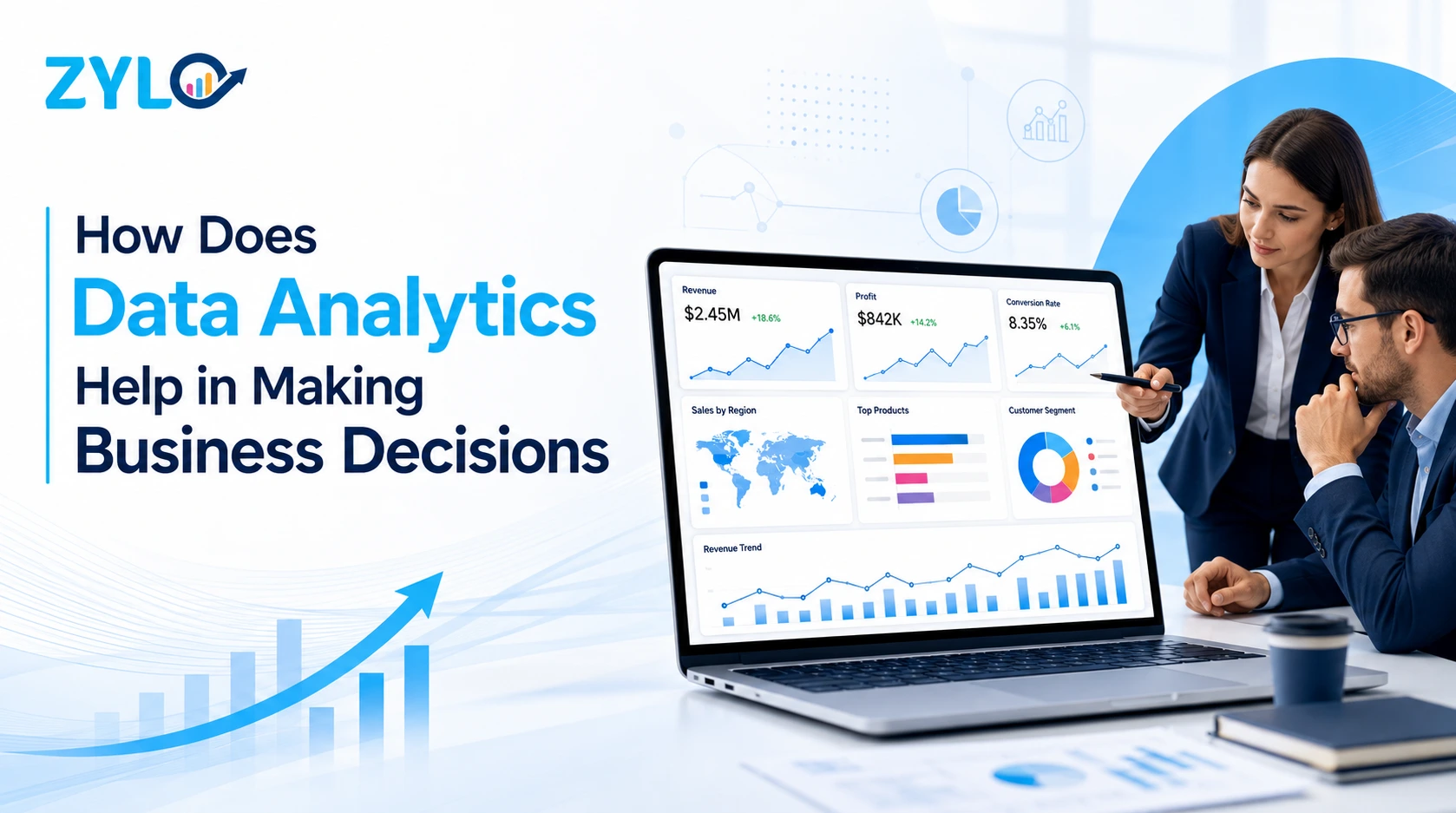
Every day you make dozens of decisions. Pricing. Hiring. Inventory. Marketing spend. Most business owners make these calls on experience and instinct, and most of the time, they get it partially right. But partially right has a cost. Data analytics closes that gap. It turns the raw, scattered information already
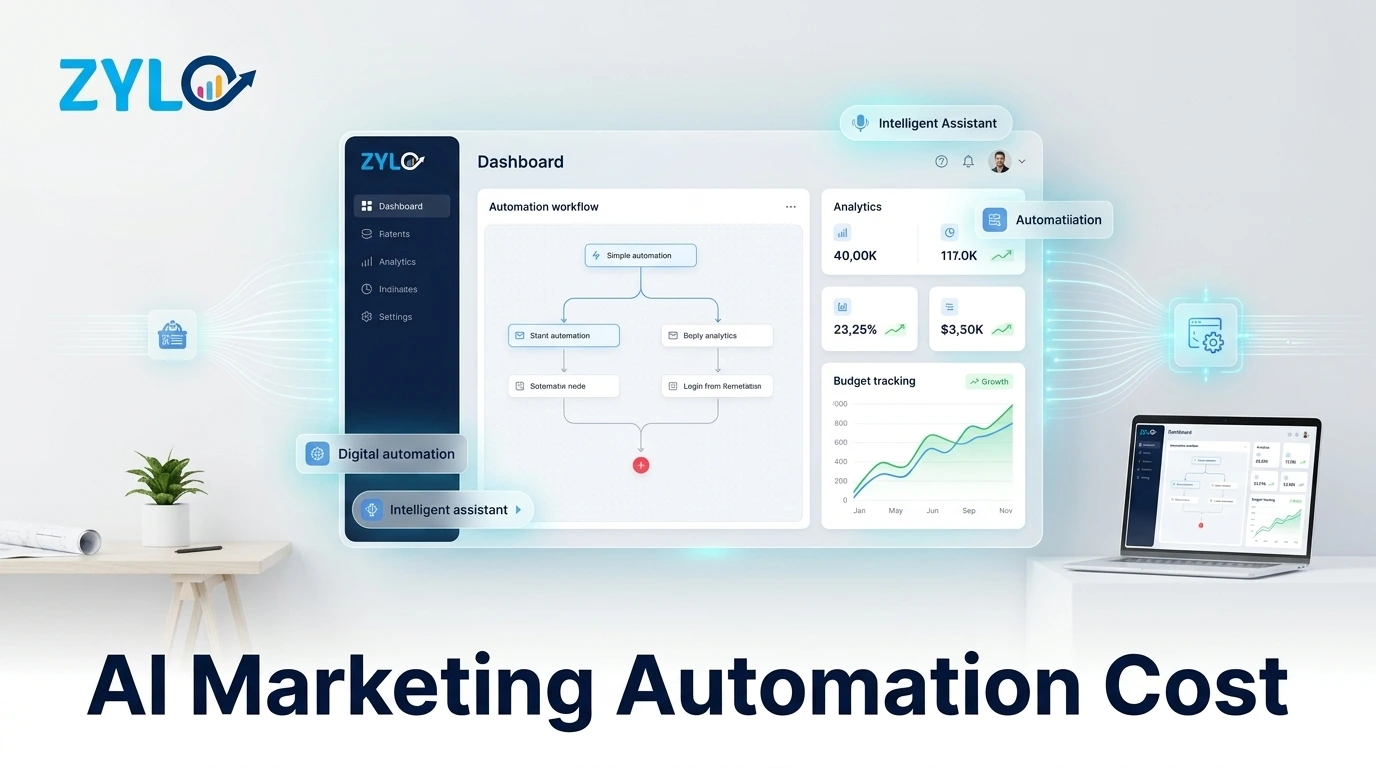
Most small business owners Google “AI marketing automation” and immediately feel two things: excited, then confused about the cost. That confusion is valid. Vendors hide the real numbers behind vague tiers, “contact us for pricing” walls, and slick landing pages that never mention onboarding fees, integration costs, or data prep.
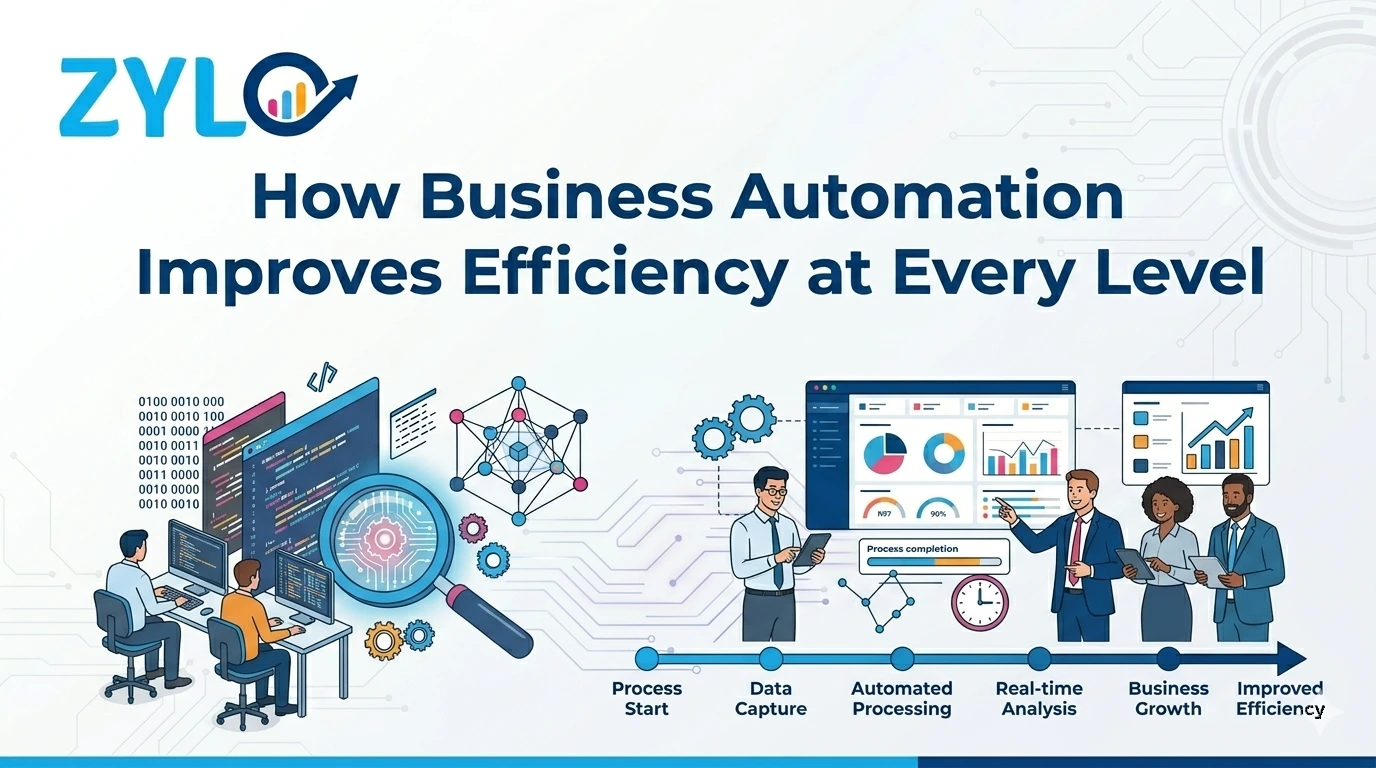
Manual processes don’t fail all at once. They erode slowly. One missed follow-up, one duplicate entry, one approval stuck in someone’s inbox. As the business grows, that erosion accelerates. How business automation improves efficiency is by stopping that erosion at the source. Instead of relying on individuals to remember every